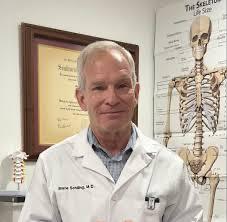
Medically reviewed
Dr. Blane Schilling, MD
Dr. Blane Schilling, MD is a family medicine physician and integrative wellness specialist with 30 years of clinical experience. He reviews medically sensitive articles for medical accuracy, safety context, contraindications, evidence quality, and practical reader risk across supplements, procedures, treatments, and wellness topics.
View full credentials →Clinic photos coming soon
About Stem Cell Transplant and Cellular Immunotherapy Program at MedStar Georgetown University Hospital
The Stem Cell Transplant and Cellular Immunotherapy Program at MedStar Georgetown University Hospital stands as a pillar of advanced medical care in the Washington, D.C. area. As the only adult, FACT-accredited program in the region for allogeneic and autologous transplantation, as well as CAR T-cell therapy, it represents the pinnacle of excellence in stem cell and cellular immunotherapy. This accreditation signifies that the program has met the most rigorous standards in every facet of stem cell therapy, from collection and processing to patient care and clinical outcomes. The program operates under the umbrella of the Georgetown Lombardi Comprehensive Cancer Center, the only National Cancer Institute (NCI)-designated comprehensive cancer center in the Washington, D.C. region. This affiliation provides patients with unparalleled access to a robust portfolio of clinical trials and cutting-edge treatment options, ensuring that they receive the most advanced care available. The mission of the program is to provide life-saving treatment options for patients with cancers affecting the blood or immune system, as well as other complex disorders. The team of specialists possesses extensive experience in performing these intricate procedures with a focus on safety, efficacy, and patient comfort. The program is particularly adept at managing high-risk patients, offering hope to those with complex and challenging conditions. The dedicated 18-bed stem cell transplant, oncology, and hematology unit is staffed by specialty-trained nurses who provide round-the-clock expert care. The program’s holistic approach extends beyond medical treatment, with comprehensive training and support for caregivers, recognizing the vital role they play in a patient's journey.
The facilities are state-of-the-art, featuring a bright and beautifully decorated transplant clinic designed to create a healing and comfortable environment for patients and their families. The program’s commitment to excellence is further demonstrated by its collaboration with the John Theurer Cancer Center at Hackensack University Medical Center, one of the nation’s ten largest and most prestigious cancer programs. This partnership fosters a dynamic exchange of knowledge and expertise, ensuring that patients at MedStar Georgetown benefit from the latest advancements in the field. The program is also home to the nation’s largest marrow harvesting site, a testament to its leadership and expertise in the field of stem cell transplantation. The patient experience is at the forefront of the program’s philosophy. From the initial consultation to post-transplant care, the team is dedicated to providing compassionate, personalized, and comprehensive care. The program’s specialists treat a wide range of conditions, including acute and chronic leukemias, aplastic anemia, metastatic melanoma, multiple myeloma, non-Hodgkin and Hodgkin lymphoma, myelodysplastic syndromes, primary light chain amyloidosis, myeloproliferative disorders, and sickle cell anemia. The procedures performed include allogeneic stem cell transplant, autologous stem cell transplant, CAR T-cell therapy, and TIL therapy, offering a comprehensive suite of options to meet the diverse needs of their patients.
2.3/5
Patient Rating
308
Patient Reviews
Clinic Information
Address
3800 Reservoir Rd., NW, 2 East Main Building, Washington, DC 20007
Phone
+1 202-444-3736Hours
Mon-Fri: 7:30am-5pm
Sat: Closed
Sun: Closed
Languages
English
Accreditations
FACT
Treatments Offered
Medical Team
Sophia Chang
AGACNP MSN
Hematology and Oncology
Molly Ann Lloyd
AGACNP-BC MSN
Hematology and Oncology & Gerontology Primary Care Nurse Practitioner
Anna Mantecon Garcia
FNP MSN
Hematology and Oncology & Blood and Marrow Transplantation
Kamil Rechache
MD
Blood and Marrow Transplantation, Internal Medicine, Hematopoietic Cell Transplantation and Cellular Therapy & Hematology and Oncology
Jennifer Ann Kanakry
MD
Blood and Marrow Transplantation, Internal Medicine, Hematopoietic Cell Transplantation and Cellular Therapy & Hematology and Oncology
Frequently Asked Questions
FACT (Foundation for the Accreditation of Cellular Therapy) is an independent, non-profit organization that accredits institutions for cellular therapy. FACT accreditation is a prestigious recognition that indicates a program has met the most rigorous quality standards in every aspect of stem cell therapy, including cell collection, processing, storage, and administration. Choosing a FACT-accredited program like the one at MedStar Georgetown University Hospital ensures that you are receiving the highest quality of care from a team of experts who are committed to safety and excellence.
An allogeneic stem cell transplant uses stem cells from a donor, who may be a family member or an unrelated volunteer. An autologous stem cell transplant uses the patient's own stem cells, which are collected and stored before the patient undergoes high-dose chemotherapy or radiation. The type of transplant recommended depends on the patient's specific condition and other factors.
CAR T-cell therapy is a revolutionary type of immunotherapy that uses a patient's own T-cells (a type of white blood cell) to fight cancer. The T-cells are collected from the patient, genetically modified in a lab to produce chimeric antigen receptors (CARs) on their surface, and then infused back into the patient. These CARs allow the T-cells to recognize and attack cancer cells.
The Stem Cell Transplant and Cellular Immunotherapy Program at MedStar Georgetown University Hospital provides comprehensive support for patients and their families. This includes a dedicated team of specialists, specialty-trained nurses, and a holistic approach to care that includes training for caregivers. The program also offers access to clinical trials and breakthrough treatment options through its affiliation with the Georgetown Lombardi Comprehensive Cancer Center.
The program treats a wide range of conditions, including acute and chronic leukemias, aplastic anemia, metastatic melanoma, multiple myeloma, non-Hodgkin and Hodgkin lymphoma, myelodysplastic syndromes, primary light chain amyloidosis, myeloproliferative disorders, and sickle cell anemia.
Trust Score
51Get a Free Quote
By submitting, you agree to our privacy policy.