
Thinking about trying stem cell therapy? Makes sense. But you probably want to know what could go sideways, right? It's a smart move to consider the upsides and those potential "uh-oh" moments with any medical treatment.
I've spent way too much time digging into research papers and chatting with folks in the know about this stuff. From all that, I've realized the risks can be pretty neatly boxed into different categories. Some risks are immediate but short-lived, others are more on the serious side but rare, and a few are still being sussed out by the science geeks.
Let's break down what you really ought to know about these risks and how safe—or not—this therapy can be.
What Happens Right After Treatment?
Okay, so first things first. You might notice injection site reactions. It's not weird; any time you get poked with a needle, your body's like, "Hey, what's up with that?" Expect some soreness, maybe a bit of swelling, or a nice bruise that'll fade away in a few days.
A fair chunk of folks (think 60-80%) say they feel some pain around the area where they got the shot. Funny enough, it usually kicks in during the first couple of days and then chills out. It's kinda like the achiness after a flu shot, just a tad longer.
You might also feel kinda wiped out or even like you're getting a cold. That's your body's way of processing the new stuff introduced into your system. Makes sense, right? But still, if you didn't see it coming, it could feel like a curveball.
How Real Is the Infection Risk?
Poking your skin with a needle always brings infection risks into the picture. But the silver lining here? Major infections are pretty rare in clinics that know their stuff and maintain a clean operation.
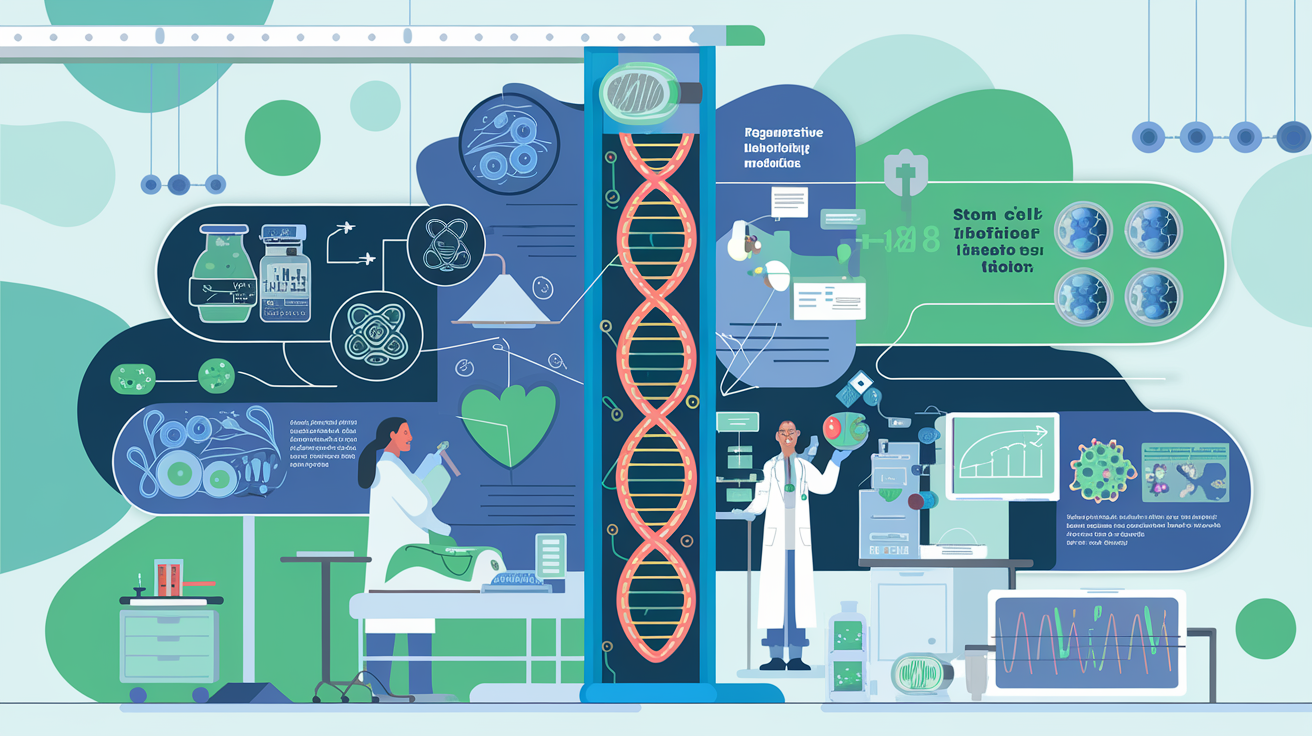
Visual overview: Key facts about stem cell therapy risks and side effects
Studies show that infection rates hang around the 1-3% mark for these procedures, kind of like other small-scale treatments. But, and here's a big "but," these numbers are based on assuming your doc knows their hygiene 101.
Be on the lookout for these signs:
- Redness or warmth getting worse after two days
- Pain sticking around longer than it should
- Fevers popping up a few days later
- Odd stuff oozing from where you got the shot
Your doctor should tell you when to holler if these things start happening. Don’t play hero and wait it out—jump on these symptoms early!
Can Stem Cells Cause Tissue Problems?
Alright, here's where it gets a tad tricky. Unwanted tissue growth can happen, but it's not a frequent flier in the world of stem cells.
Every now and then, those cells don't morph exactly as we hope. Maybe they turn into scar tissue or (brace yourself) the wrong kind of tissue. I've read about cases where people found odd calcifications or little bone growths where they weren't supposed to be.
It's a little dicey with certain procedures. Knee stem cell therapy costs and results can be a mixed bag because knees are just stubborn joints that behave uniquely under stress.
Spine treatments are another ball game. Being so close to all those nerve clusters, a slip-up here might cause issues we’d really rather avoid. You can dive into more on this in my spine treatment guide.
What About Immune System Responses?
Your immune system might throw a party—or a fit—when new cells show up, especially if they're foreign.
With autologous treatments (that's just a fancy way of saying your own cells), your body usually gives the thumbs-up. But the lab processing can sometimes make cells quirky enough to catch your immune system's attention.
Now, allogeneic treatments (we're talking donor cells here) come with a bit more risk that your body might go on the offensive. However, they often use cell types that cleverly sidestep a big showdown with your immune army.
Allergies to the cells themselves are rare. But let's not forget about the stuff they mix with the cells like carrier solutions. Some people get reactions to those instead.
The Long-Term Questions We're Still Answering
Cancer risks, who doesn't think about that? The thing with stem cells—they grow and change, which is both a blessing and a potential worry.
The research so far points to a pretty low cancer risk with stem cell treatments done right. There are long-term data out there, and thankfully no big scary patterns have popped up just yet. But remember, we're always learning more about this stuff, especially with new treatments getting the spotlight.
It’s a relief that most conditions treated with stem cells involve giving small amounts right where needed. Totally different from pumping the whole body full of cells, which could pose other risks.
Do Risks Vary by Treatment Location?
Totally. Sticking cells into a joint is one thing, but other spots can play by different rules.
With orthopedic treatments like knees, hips, and shoulders, you usually inject into closed spaces, so the risks are more about what's happening locally than anything major spreading throughout your body.
When it comes to the shoulder, nailing the injection spot is key. You miss, and you're wasting the cells and potentially annoying the muscle. Oops.
And then there's the spine. All those nerves make for higher stakes if something goes wrong, even though big issues are pretty rare.
Why Your Choice of Clinic Matters Tremendously
Not every clinic is the same, believe me. Some are like a well-oiled machine, others...not so much.
The good ones stick to the rules—clean spaces, top-notch cell processing, you get the idea. They'll be upfront about how they handle issues and should chat about your unique risks.
When you're shopping around, grill them on things like their complication stats and how they handle potential issues. If you're looking abroad, like at Mexico clinics, do your homework to make sure they've got their act together before you book that ticket.
Smart Ways to Reduce Your Risk Profile
Can't avoid all the risks, but you can sure as heck swing the odds in your favor.
Go for clinics that take the time to check you out properly before diving in. Your health, the meds you take, and your specific issues all factor in. If a doc is in a rush, wave that red flag.
Pre-treatment do's and don'ts? Follow them. They might ask you to ditch certain meds or supplements because it could screw with the healing they’re aiming for.
And after treatment, play it smart. Know what's normal, what's not, and when to pick up the phone and call in the cavalry. Nip problems in the bud.
Putting Risks in Perspective
Here's the scoop: yes, there are risks with stem cells. But for a lot of folks, they're smaller potatoes compared to surgery and the like.
The goal is to see if the benefits you're eyeing are worth those risks. A retiree dodging a knee replacement and a young athlete with a niggling joint are gonna look at this stuff way differently.
Your doc should help piece together this puzzle, weighing the good and the not-so-good specifically for you. Can't explain it clearly? Yeah, not a great sign.
Before jumping in, maybe check out how costs and risks stack up across clinics and regions. Sometimes shelling out extra for the experienced hands is money well spent.
We're always learning more in this field, and what we know now might shift. So keep your ear to the ground, but for now, understanding these risk bits should help you figure out if this is the right move.